Contact Person: Jian Gao
Mob & WhatsApp:
+86 188 1265 9538
Email:
Contact to get FREE Samlple
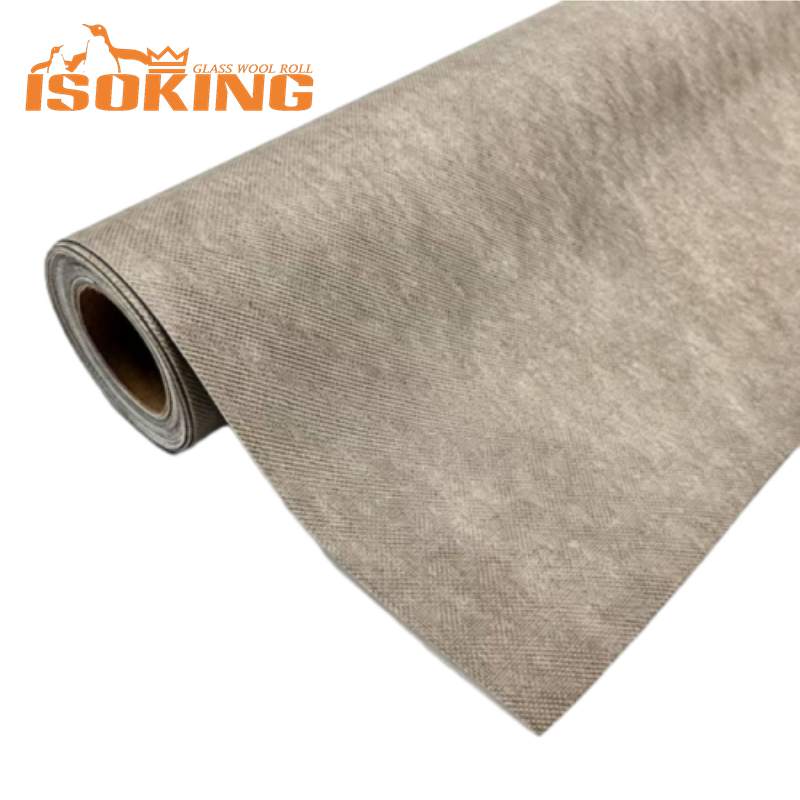
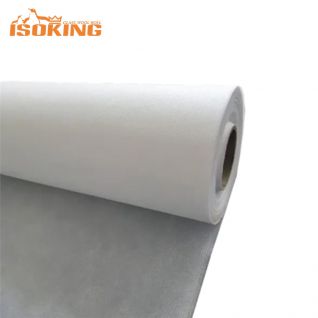
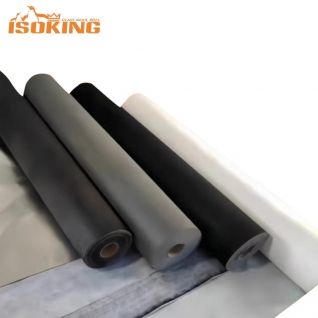
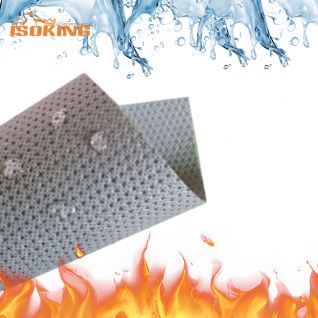
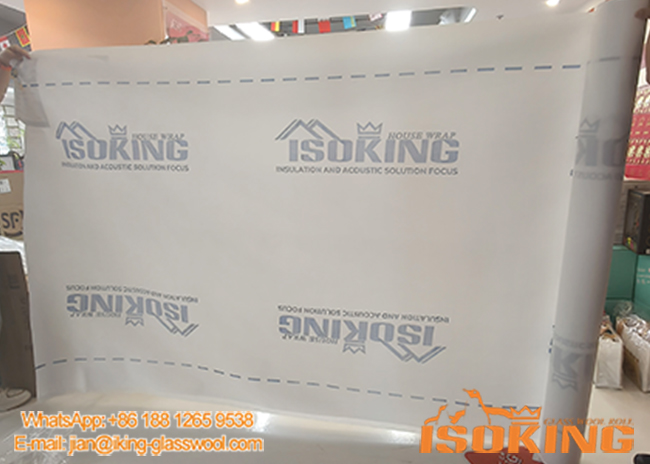
Our breather membrane for walls provides an external moisture protection layer for insulated building envelopes. It helps protect wall structures and thermal insulation from wind-driven rain while allowing water vapor to escape from the assembly.
Designed for use behind external wall cladding, the membrane supports effective moisture management without unnecessarily trapping vapor inside the wall system. It can be used in residential, commercial, timber-frame, modular and other lightweight construction applications.
Protects Against External Moisture
Helps reduce the risk of rainwater and wind-driven moisture reaching the insulation and structural components.
Allows Moisture Vapor to Escape
A vapor-permeable membrane can help moisture vapor move toward the exterior, supporting the drying potential of the wall assembly.
Reduces Wind Penetration
The membrane creates a protective external layer that helps limit uncontrolled air movement through the wall insulation.
Helps Maintain Insulation Performance
By protecting insulation from external moisture and wind exposure, the membrane can help maintain the intended performance of the insulation system.
Suitable for Different Wall Systems
Can be incorporated into suitable timber-frame, light-gauge steel, modular and ventilated facade wall assemblies.
For a typical insulated external wall:
External Cladding
↓
Breather Membrane
↓
Glass Wool / Mineral Wool / Other Insulation
↓
Structural Sheathing
↓
Internal Air & Vapor Control Layer
↓
Interior Finish
The exact position and specification of each layer should be determined according to the local climate, wall construction and building regulations.
Timber Frame Construction
Provides external weather and moisture protection for insulated timber wall assemblies.
Light Steel Buildings
Can be incorporated into lightweight steel-framed wall systems where external moisture and wind protection are required.
Modular Construction
Suitable for prefabricated wall panels and modular buildings where consistent moisture management is important.
Rainscreen & Ventilated Facades
Can be installed behind appropriate external cladding as part of a ventilated wall system.
Insulated Exterior Walls
Used with glass wool, mineral wool and other suitable insulation systems to provide an additional external protective layer.
1. What does a breather membrane do?
A breather membrane provides a protective external layer for the wall assembly. It helps resist external moisture and wind while allowing water vapor to escape from the building envelope.
2. Why is moisture protection important for insulated walls?
Water entering the wall assembly can reduce insulation performance and, depending on the construction and environmental conditions, contribute to moisture-related problems. A properly selected and installed membrane provides an additional line of defense against external moisture.
3. What is the difference between a breather membrane and a vapor barrier?
They perform different functions and are normally positioned on different sides of the insulation. A breather membrane is generally used toward the exterior to manage external moisture while allowing vapor to escape, whereas a vapor-control layer is typically used toward the interior to control vapor movement from the occupied space.
4. Can a breather membrane stop rainwater?
A suitable breather membrane is designed to resist liquid-water penetration, including moisture from wind-driven rain. However, the membrane should work together with the exterior cladding, flashing, drainage and other components rather than being relied upon as the only waterproofing layer.
5. Will the membrane trap moisture inside the wall?
A properly selected vapor-permeable membrane is intended to allow water vapor to move through the wall toward the exterior. However, the complete wall assembly must be designed correctly because membrane performance cannot compensate for an improperly designed moisture-control system.
6. Can breather membrane be used with mineral wool?
Yes. Breather membranes are commonly incorporated into external wall assemblies containing mineral wool or glass wool insulation. Compatibility should be confirmed based on the specific membrane and insulation system.
7. Can it be used in hot and humid climates?
It can be used in appropriate hot or humid climates, but the membrane should be selected according to the local climate, wall construction and moisture movement strategy. Vapor permeability, water resistance and UV exposure requirements should all be considered.
8. Does the membrane replace exterior cladding?
No. The breather membrane is an additional protective layer within the building envelope. Exterior cladding remains an important part of the wall's weather protection and drainage system.
9. How much overlap is required between membrane rolls?
The required overlap depends on the product specification and installation system. Follow the manufacturer's installation instructions, particularly around horizontal joints, corners, windows, doors and penetrations.
10. Can I order customized rolls for a project?
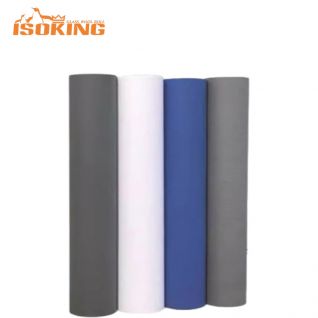
Yes. For B2B projects, customized roll width, length, material structure, packaging, printing and private-label requirements can be discussed according to order quantity and production requirements.
11. What information should I provide when requesting a quotation?
For an accurate quotation, provide the required roll dimensions, quantity, application, wall construction, insulation type, required water resistance, vapor permeability, certifications and destination market.
Need Reliable Moisture Protection for Your Walls?
Choose a breather membrane designed to work with your wall insulation system. Send us your application, required size and quantity to get product specifications, pricing and a customized solution.
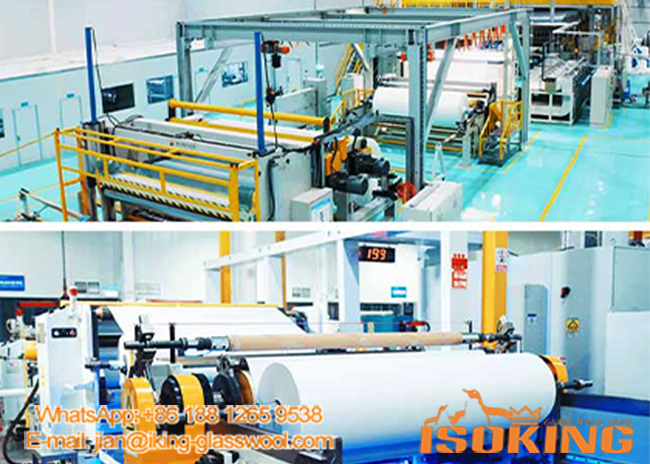
IKING GROUP glass wool factory is located in Hebei Province. International Department based in Tianjin, nearest to the Port.[Read More]